
The Quiet Rebel Who Returned Home to Rewrite a Future
One of the benedictions of working in the social sector is the chance to encounter extraordinary stories lying hidden under ordinary happenstances. Time and again, I have met people - unknown, untalked of, often unnamed - who are changing the world, one child at a time, one action at a time, one thought at a time. And all of it, without any desire of fame or acclaim. The action is enough, being the changemaker or the catalyst towards change is enough, to see even one life find its true potential is enough.
And Chhavi Rajawat’s story is all this - and much much more.
Some lives turn on a grand event. Hers turned as epiphany.

She was, by all definitions of success, complete: an MBA, a corporate professional, a young woman who had mastered the art of navigating boardrooms where words were sharp, ambitions sharper. She travelled, she strategized, she grew. But somewhere between the meetings and the midnight emails, she felt an ache she could not name — the ache of watching her own village slowly dissolve into resignation.
On a visit to Soda after her grandfather’s passing, that ache finally took shape.
She saw the cracked school walls he once fought to repair. She saw ponds that had sunk into dust, women walking miles for water, children whose dreams were smaller than their needs. What shook her deeply was not the hardship — it was the quiet acceptance of it. That stillness, that surrender, stayed with her like a stone under the tongue.
Change, she realised, does not begin with outrage. It begins with the inability to look away.
At thirty, she made her choice — to return, to contest, to rebuild. A decision that seemed romantic to some, foolish to others, but to Chhavi it felt like returning to her own pulse. “She won’t last a month,” people said. “She’s too modern,” others laughed. And beneath it all lay a quieter fear: What if she succeeded?
She became the sarpanch of Soda, a small village in the Tonk district of Rajasthan.

Her journey was no postcard of heroism. It was raw, unpredictable, and dangerous in ways city life never was. She faced resistance, political pushback, bureaucratic indifference, and — most cutting of all — the suspicion of her own people. There were nights when she returned home with dust in her lungs and doubt in her eyes. There were moments when projects stalled, when funds dried, when the loneliness of leadership pressed down like heat on desert sand.
She gained pride, yes — but she also lost ease. She lost anonymity. She lost the illusion that change comes quickly.
But when the first check dam began filling, when the tank revived, when the first girl walked confidently into the school she once only watched from outside — those were the moments that stitched her resolve back together. Leadership, she discovered, is not in knowing the way; it is in walking the hard road long enough for others to join.
Danger came quietly too. Threats, hostility, attempts to undermine her work. Yet she continued — not with aggression but with an almost stubborn softness, a belief that dignity, once restored, spreads on its own.
Her village learned to dream again. Solar lamps replaced kerosene. Toilets arrived in homes where such privacy had never existed. Computers entered classrooms, bringing with them a kind of wonder that felt almost holy.
A child once asked her, “Didi, can I Google my dream?”
In that single question lived the entire possibility of Soda.
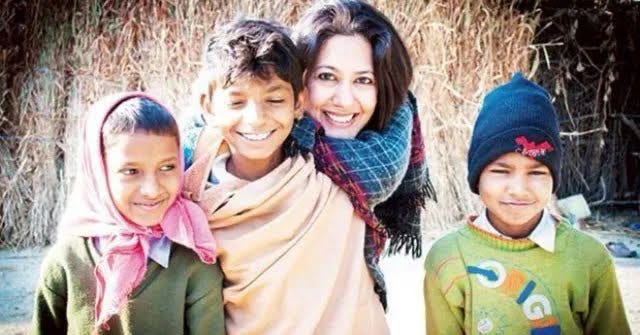
When Chhavi spoke at the United Nations in 2011, she stood not as a woman who left corporate life, but as a custodian of rural India’s unrealised promise. She reminded the world — and perhaps herself — that development is not charity; it is the country remembering its own spine.
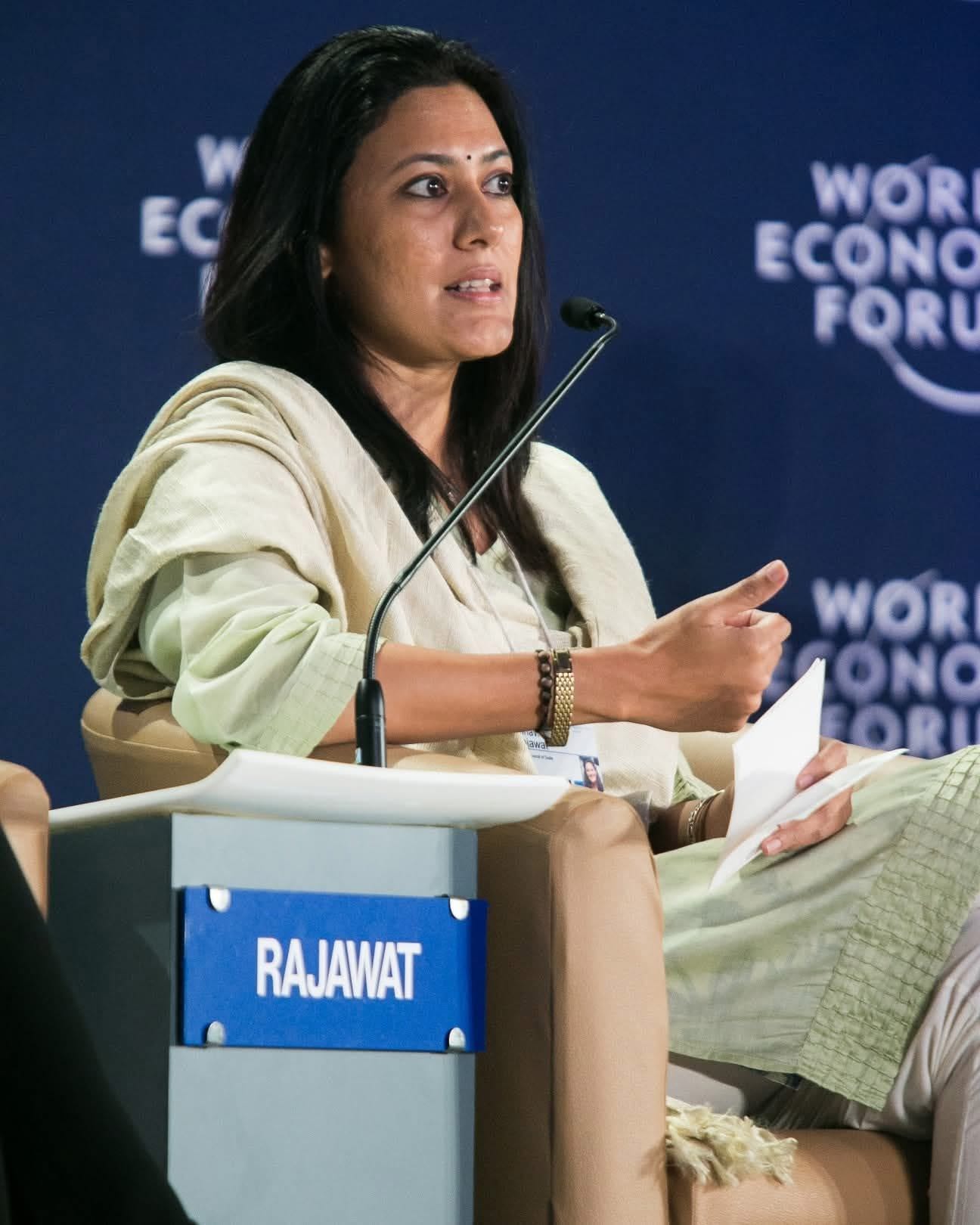
Her story did more than change Soda; it stirred something across the nation.
After her speeches and interviews, NGOs reported rises in rural volunteering. Youth groups wrote to her. Students visited Soda to understand what transformation looked like when rooted in empathy. She did not create a movement — but she sparked a hunger.
Because Chhavi Rajawat’s greatest act was not returning home. It was teaching an entire generation that going back is sometimes the most radical way to go forward.
And in the soft glow of solar-lit evenings, as Soda hums with the quiet dignity of its reclaimed future, one realises:
she did not simply change her village. She reminded it — and us — of its power to rise.
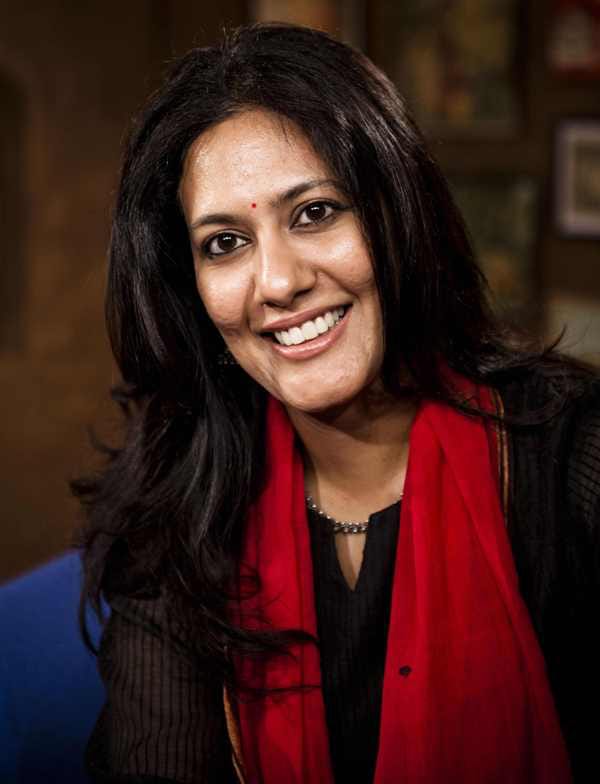
Various resources to know more about Chhavi Rajawat’s work and journey:
https://boundindia.com/chhavi-rajawat-a-sarpanch-with-a-difference/
I write, so you can enjoy and expand your world. Would you like to support me? Well, here’s what you can do -
share this post -
tell me of your thoughts -
subscribe, if you love it -
Wow! What a story! A true hero’s journey.