
Craft as Desire
The gorgeousness of The Kunj
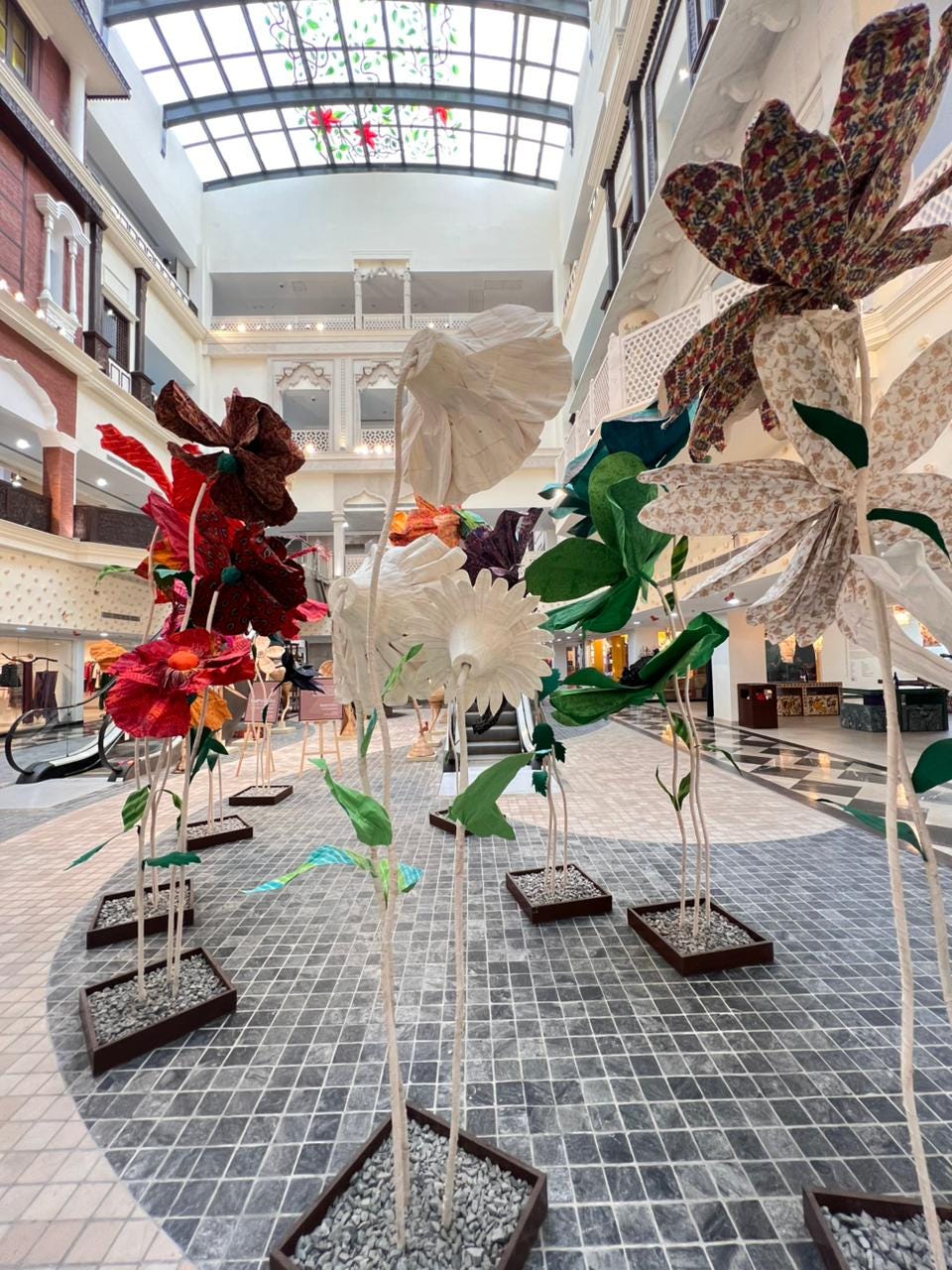
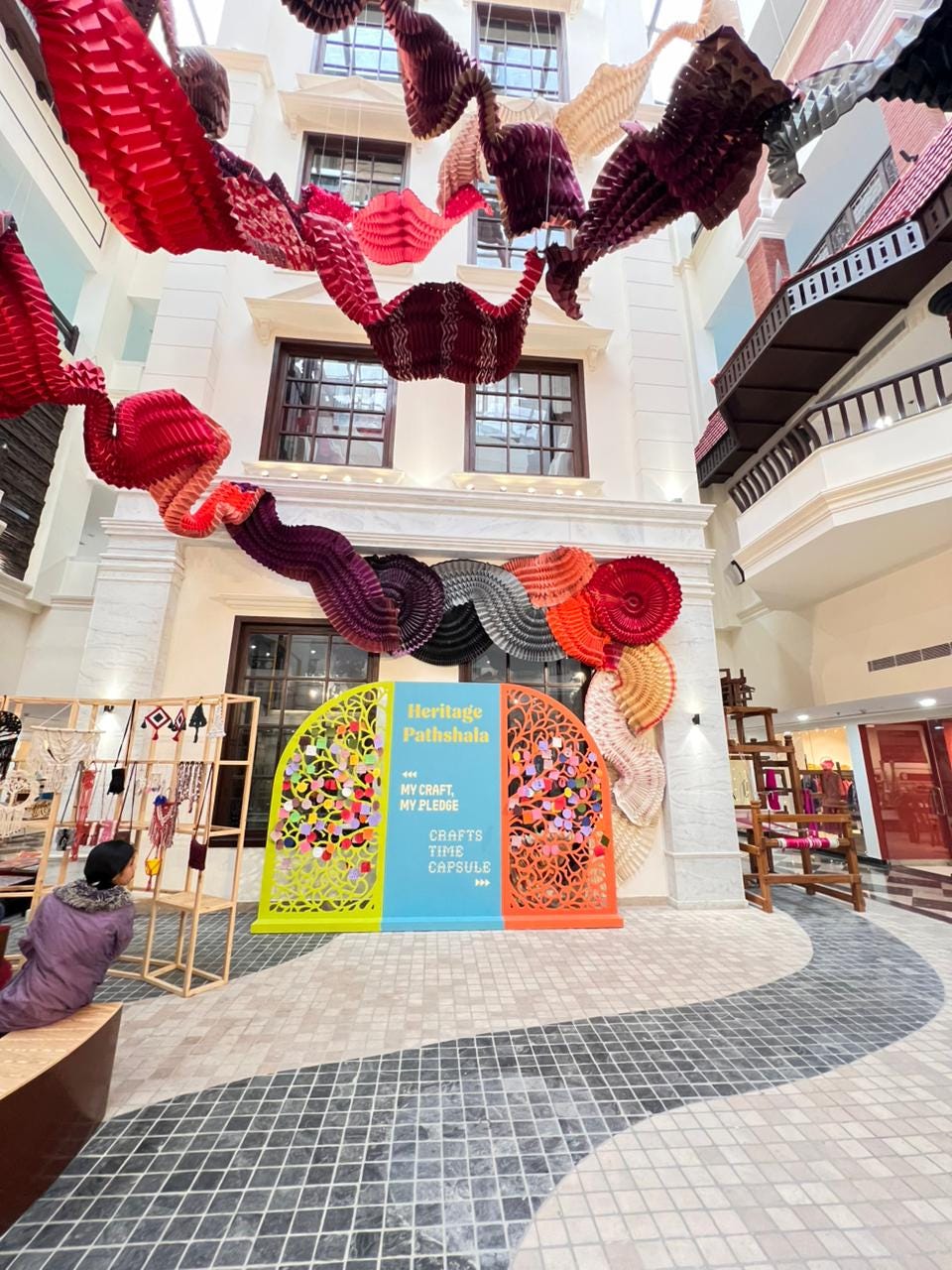
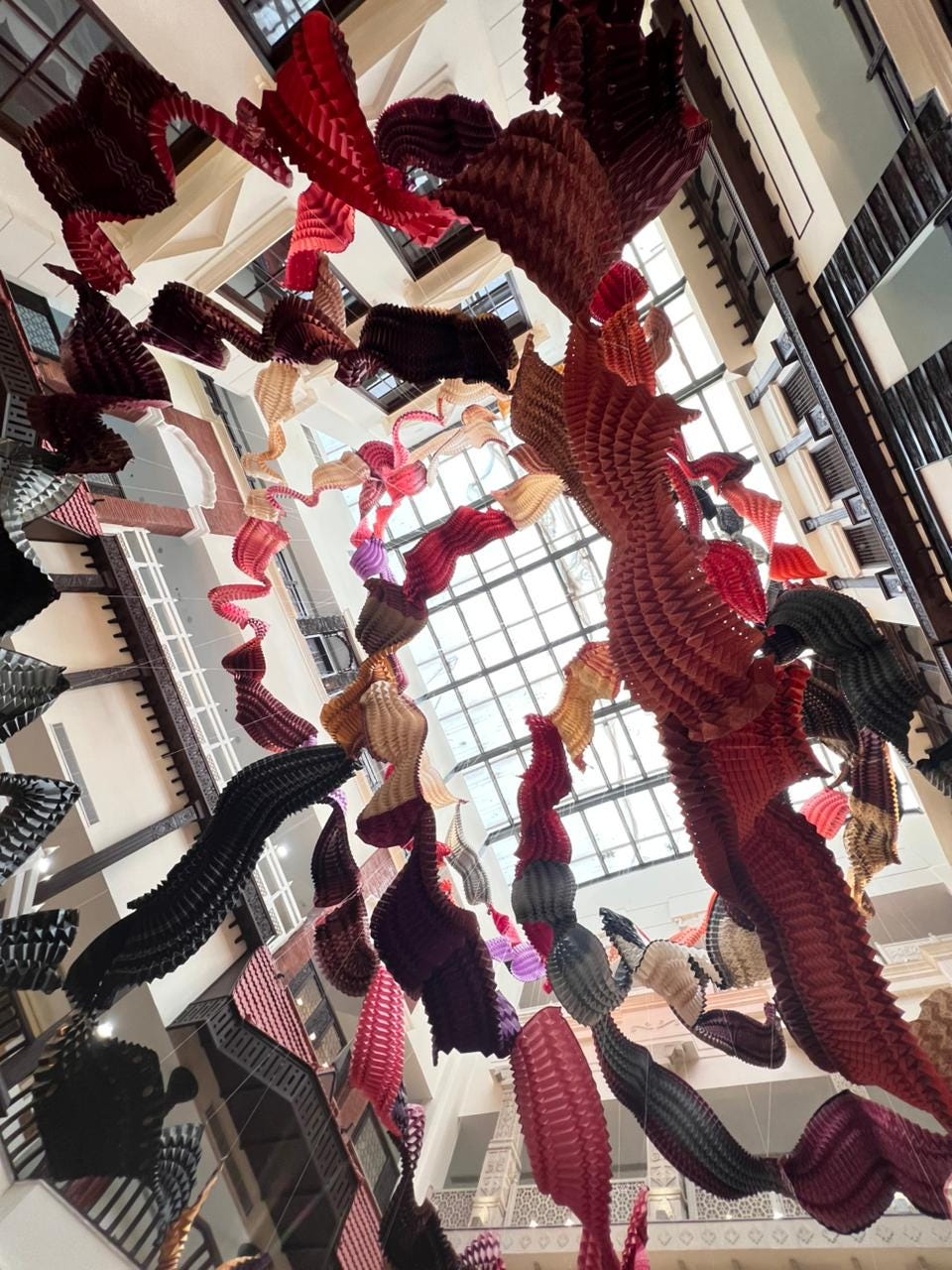
I walk into The Kunj with a memory already inside me — the memory of Indian handicrafts being presented as something worthy of sympathy, not desire. The ubiquitous Cottage Emporium - old state emporiums of my childhood - had sincerity, even honesty, but rarely aspiration. They smelled of dust, duty, and fading relevance. Craft lived there like a retired artist — respected, but no longer central to life. And the service was sleepy, the attendants moribund: the products gorgeous but the display god-awful.
The Kunj feels different from the first moment you step into the arcade. It does not ask you to admire craft out of cultural obligation; it invites you to want it.
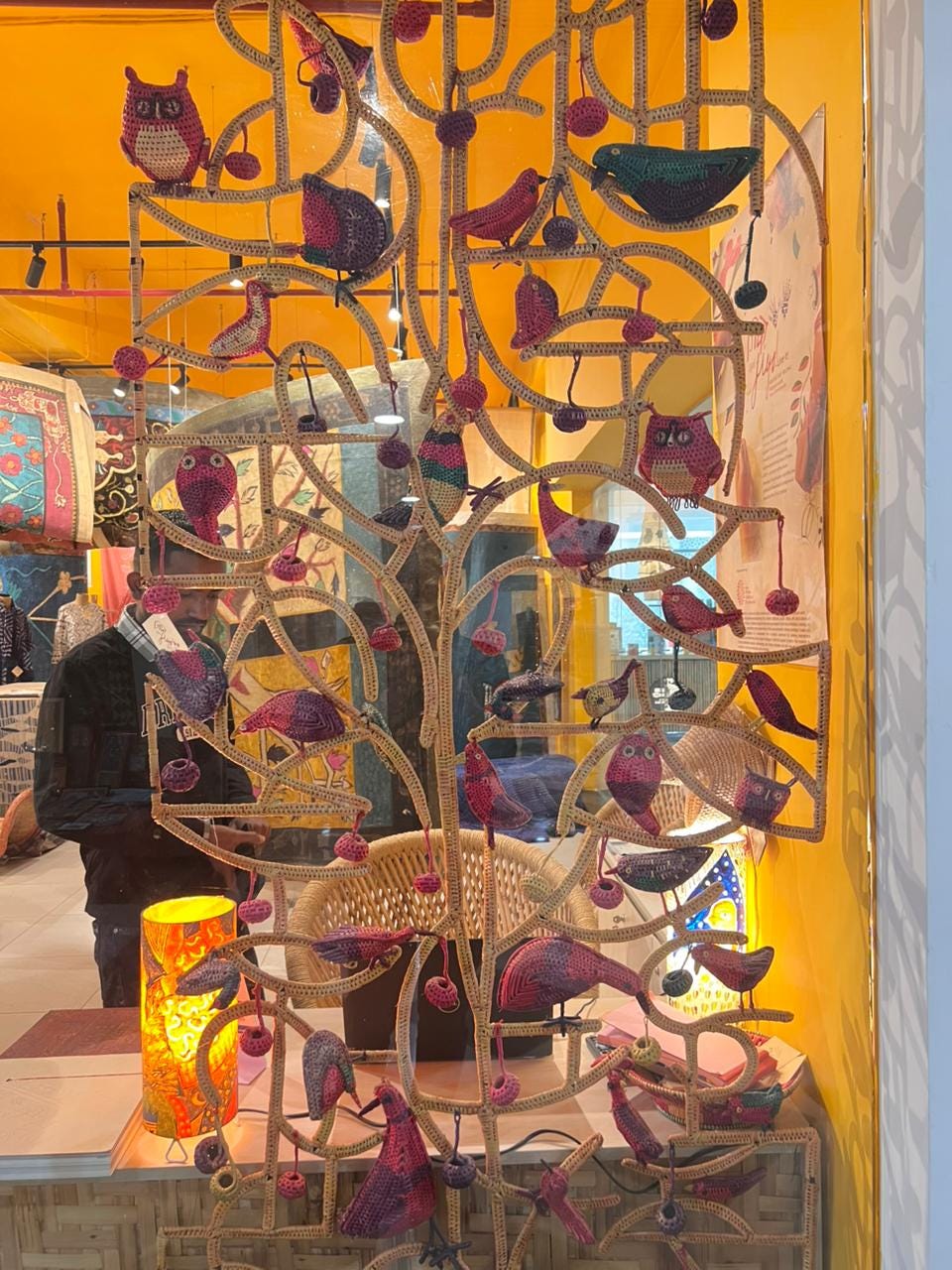
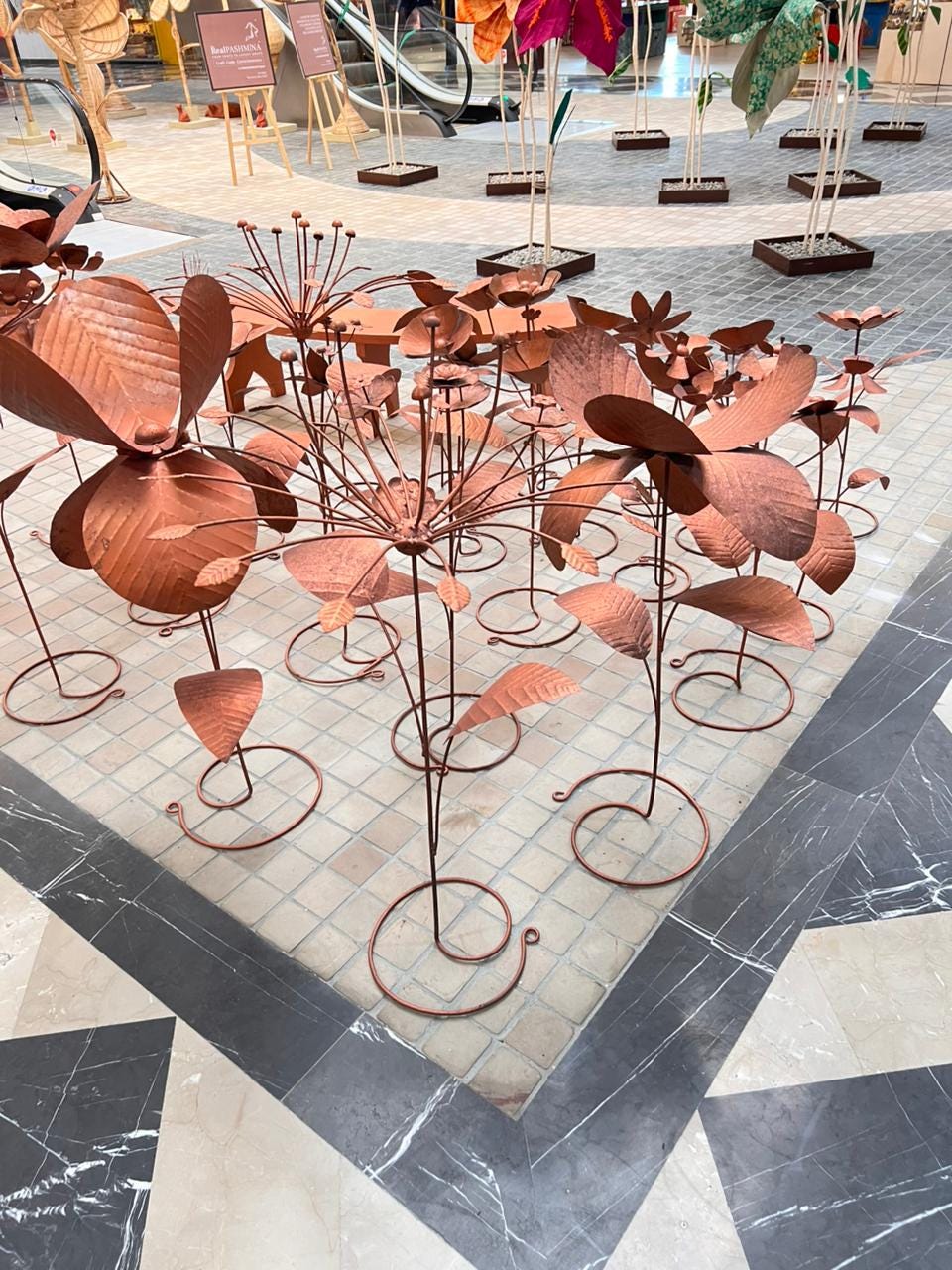
The lighting is deliberate. The spacing is confident. Objects are allowed to breathe. A shawl is not folded into a stack but displayed like a story. A piece of metalwork is not inventory but sculpture. The language of the place is unmistakably contemporary, yet what it speaks about is ancient — skill passed through generations, patience measured not in hours but in seasons.
I find myself slowing down.
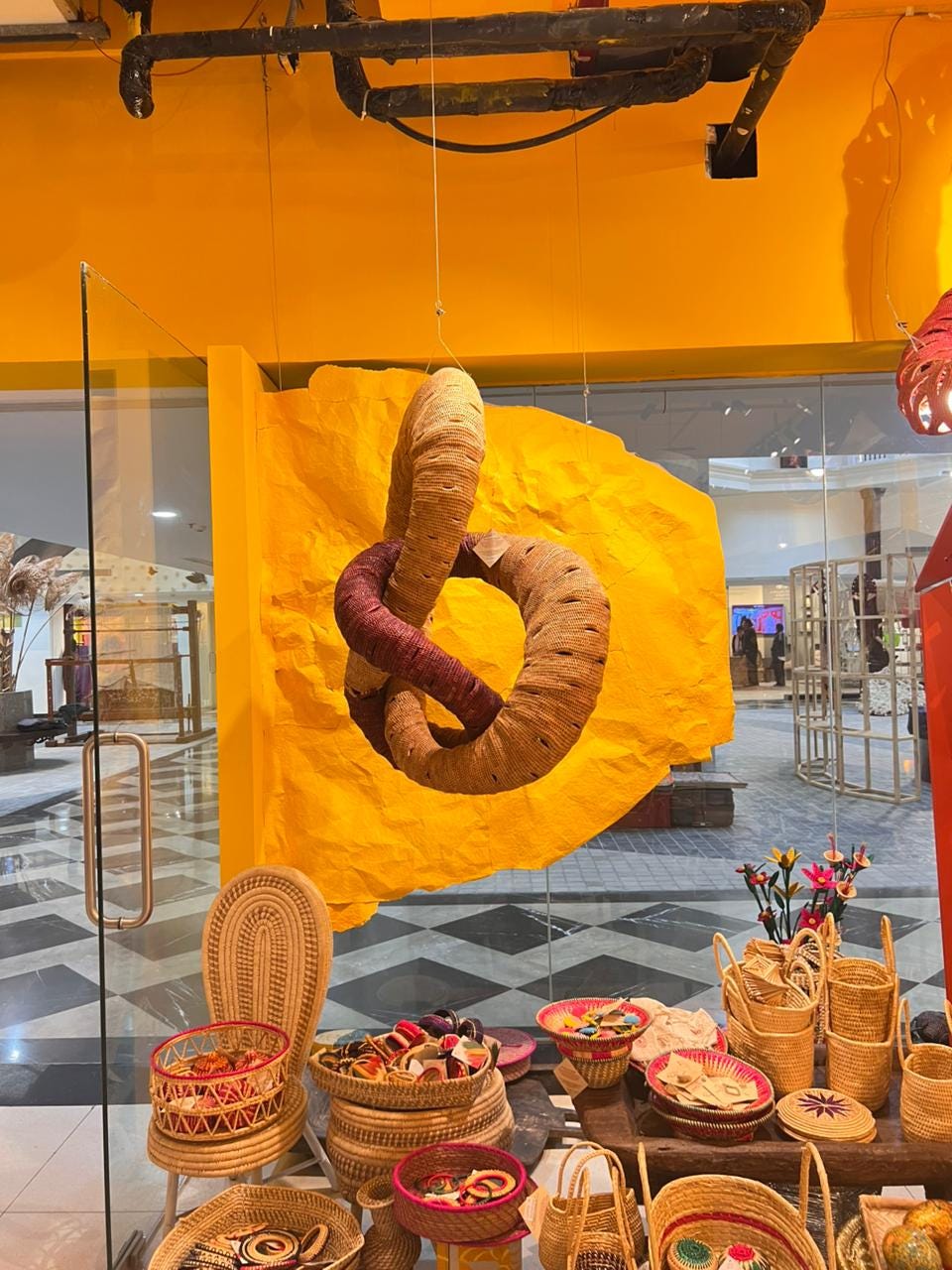
There is something powerful about seeing Indian craft freed from the vocabulary of bureaucracy and poverty. For decades, we have been told the story of artisans as victims of industrialization, custodians of dying traditions, beneficiaries of charity. All of that may be partly true, but it is not the whole truth. Craft is also excellence. Craft is design intelligence.
At The Kunj, that forgotten truth becomes visible.
A Pashmina shawl no longer feels like a souvenir from Kashmir; it feels like couture. Dhokra metalwork sits with the confidence of modern art. Wooden toys and traditional games appear not as relics of childhood but as objects of imagination. The crafts have not changed — but what it engenders is that our gaze does.
And perhaps that is the real intervention here.


The dignity of the artisan quietly returns when the object is treated with dignity. The artisan is no longer hidden behind supply chains, middlemen, or government pity. The artist becomes visible again.
There is also something symbolic about the state choosing aspiration over preservation alone. For too long, preservation has meant freezing culture in time. But culture, like craft, survives only when it participates in the present economy of desire.
Luxury, in this context, is not excess. It is recognition.
Yet, as I walk through the space, the shadow of the cottage emporium does not entirely leave me. That older India — bureaucratic, well-meaning, slightly apologetic about its own traditions — still exists in memory. The transition from preservation to pride is not instantaneous. It takes design, storytelling, and above all, belief.
The Kunj feels like an experiment in belief. And it is heartening that the government itself is behind this reinvention.
It suggests that India’s handmade inheritance need not live on the margins of modern life. That tradition does not become contemporary by changing itself, but by changing how we see it.
I had come for 15 minutes, in passing for a meeting - and I stayed on for a good hour. And I lingered, and turned back to see a few objects d’art. And then purchased a few games, steeped in Indian mythological stories.
As I leave, I realize the space has done something subtle. It has not merely displayed craft; it has reframed it.
And sometimes, reframing is the beginning of revival.
Note:
The Kunj is located at Plot No. 8, Nelson Mandela Marg, Pocket 4, Sector C, Vasant Kunj, New Delhi, Delhi 110070, right beside the DLF Vasant Kunj shopping arcade. It is both a cultural experience center (the museum is beautifully curated) and retail hub for Indian handicrafts and handlooms, and is open daily from 11 AM to 8 PM.
I write, so you can enjoy and expand your world. Would you like to support me? Well, here’s what you can do -
share this post -
tell me of your thoughts -
subscribe, if you love it -
"...sometimes, reframing is the beginning of revival." So beautifully put. Thanks